What is playful learning and why is it important for the future of museums?
What is playful learning, and why is there a need to advocate for more playful learning in museums and cultural institutions?
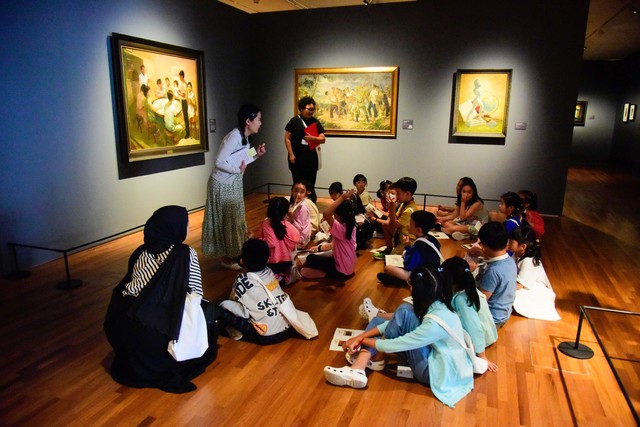
Children are driven to make sense of the world and their surroundings, and they do so by playing. Playful learning taps into children’s natural curiosity and desire to explore. Playful learning brings with it wonder, enjoyment, empowerment, curiosity, imagination, and so much more. It has the power to transform the traditional museum experience into an engaging and participatory journey for visitors of all ages. When meaningful play is integrated, it helps children gain a deeper understanding and appreciation of topics and subjects.
When meaningful play happens, it can often be accompanied by ‘mess and chaos,’ something that museumgoers might not be accustomed to. What then can museums do to enable playful learning to thrive? Perhaps it is not a matter of setting up a children’s area but simply about making playful learning accessible within the museum’s walls – where art appreciation and playful learning can coexist in the same room. This not only helps to break down barriers to learning, but it also makes educational content more accessible and enjoyable.
Museums should therefore develop a framework that supports opportunities for play, outlining and highlighting clear guidelines for both museum staff and museum visitors. Museums should also aim to incorporate playful learning through thoughtful curation and design of museum experiences, where children are encouraged and supported to explore, experiment, lead their own learning, and make discoveries independently and even collaboratively.
These experiences could include:
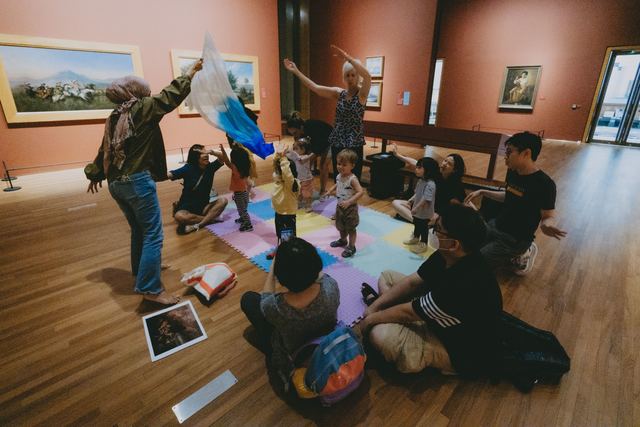
- Using storytelling and dramatic elements to bring exhibits to life, fostering artistic expression and a sense of community around learning.
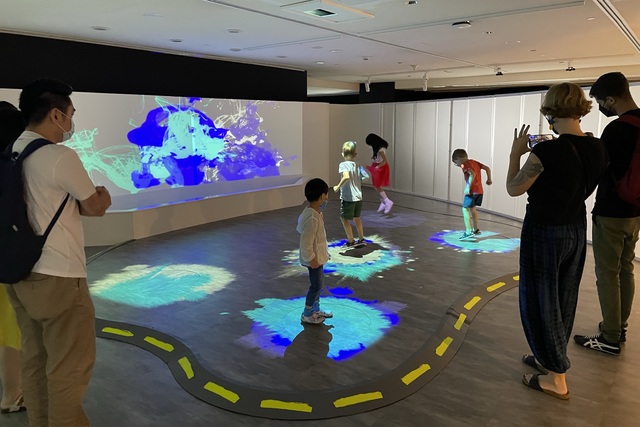
- Using audio, visual, and tactile elements to engage multiple senses, deepening understanding and retention of information.
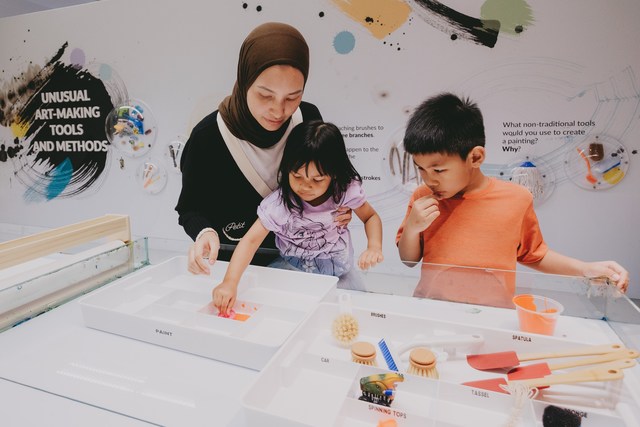
- Activities that encourage hands-on exploration and experimentation, allowing children to actively engage rather than passively observe.
- Creating a playful atmosphere through open-ended prompts and resources that promote playful interactions and behaviour.
Although hands-on engagement remains crucial in a digital world, technology can be a powerful tool for fostering creativity and curiosity while also delivering valuable educational content. Technology such as interactive apps and games can enhance learning, making it more fun and interactive for people of all ages. When technology is incorporated meaningfully as part of play experiences, benefits can be plentiful.
Ultimately, playful learning can significantly contribute to a child’s lifelong love of learning when incorporated into museum experiences. When children are motivated by their own interests and curiosity, they are also more likely to develop a love for learning that extends beyond the museum visit.
Credits und Zusatzinfos:
Elaine Chan: What is playful learning and why is it important for the future of museums, in: neues museum 23/4, www.doi.org/10.58865/13.14/234/11.